Evening The Odds At Blackjack
Blackjack is often seen as one of the fairest casino games for players who are willing to learn. That reputation is not completely wrong, but it is often misunderstood.
You cannot simply sit down at a blackjack table and make the odds even by hoping, guessing, or following a betting pattern. Blackjack is still a casino game, and the house is still designed to have an advantage over time.
However, blackjack is different from many casino games because your decisions matter. A player who understands the rules, avoids common mistakes, chooses better tables, and follows basic strategy can usually play a much stronger game than someone relying on instinct alone.
That is what “evening the odds” should mean in a realistic sense. It does not mean guaranteeing profit. It means reducing the casino’s advantage as much as possible through better decisions.
What Does Evening The Odds Mean?
Evening the odds does not mean making blackjack perfectly fair in every situation.
In normal casino conditions, the house usually keeps a mathematical edge. The player acts first, losing immediately if they bust, even if the dealer later goes over 21. Table rules, payout structures, and side bets can also affect the player’s position.
A better way to think about evening the odds is to ask a simpler question: how can a player avoid making the game worse than it needs to be?
That means learning correct decisions, avoiding poor-value bets, understanding rule differences, and managing stakes sensibly.
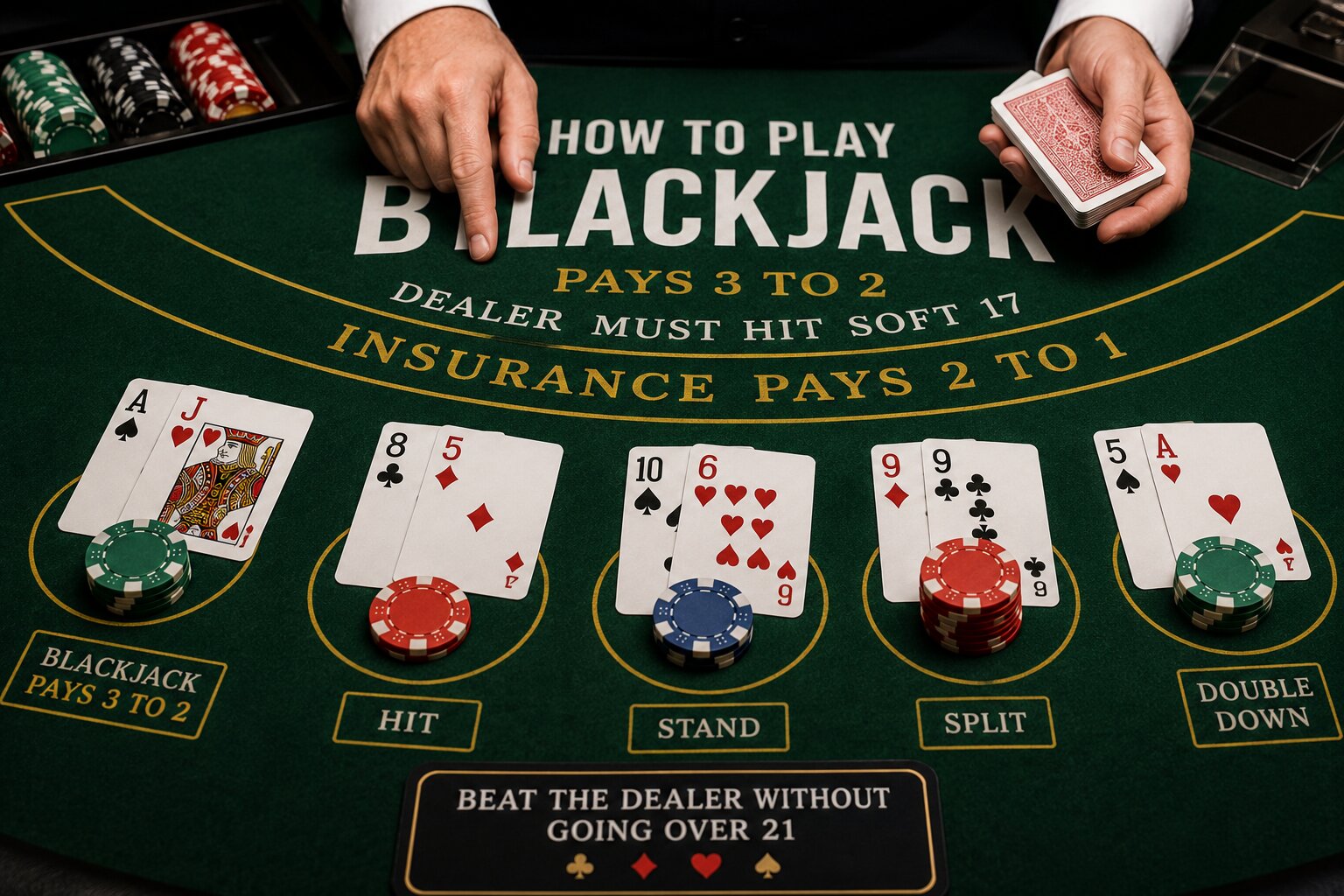
This starts with the basics. Before trying to improve your odds, it is worth understanding blackjack rules and how they work, because every strategy depends on the structure of the game.
Why Blackjack Gives Players More Control
Blackjack gives players more control than many casino games because the player makes decisions after the initial deal.
You can hit, stand, double down, split, and sometimes surrender. Each choice can change the expected result of the hand.
That does not mean you control the cards. You do not. A correct decision can still lose, and a poor decision can still win in the short term.
But blackjack is not like a game where the only decision is how much to bet. In roulette, for example, once the ball is spinning, the outcome is outside the player’s control. Understanding roulette rules and strategy can help with bet types and risk levels, but it does not let the player change the result of a spin.
Blackjack is different because decisions continue during the hand. That is why learning matters.
Basic Strategy Is The Foundation
The most important way to improve your blackjack odds is to use basic strategy.
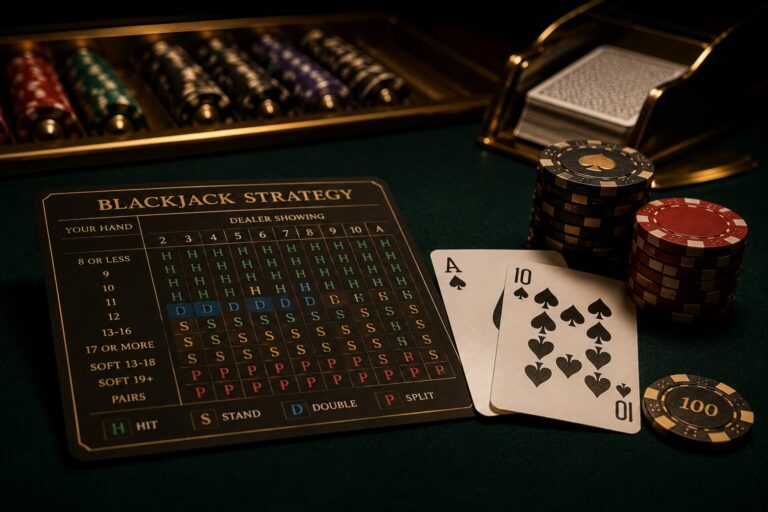
Basic strategy is a chart-based system that tells you the recommended decision for each hand, based on your total and the dealer’s visible card. It is not based on superstition, recent results, or table mood. It is based on mathematical analysis.
For example, basic strategy may tell you to hit a hard 16 against a dealer 10, even though the risk of busting is high. That can feel uncomfortable, but the chart is comparing the long-term value of hitting against the long-term value of standing.
This is why blackjack basic strategy for beginners is usually the best first step for new players. It removes guesswork and gives structure to difficult hands.
Basic strategy does not guarantee winning, but it can reduce the house edge significantly compared with random or emotional play.
Learn When To Hit And Stand
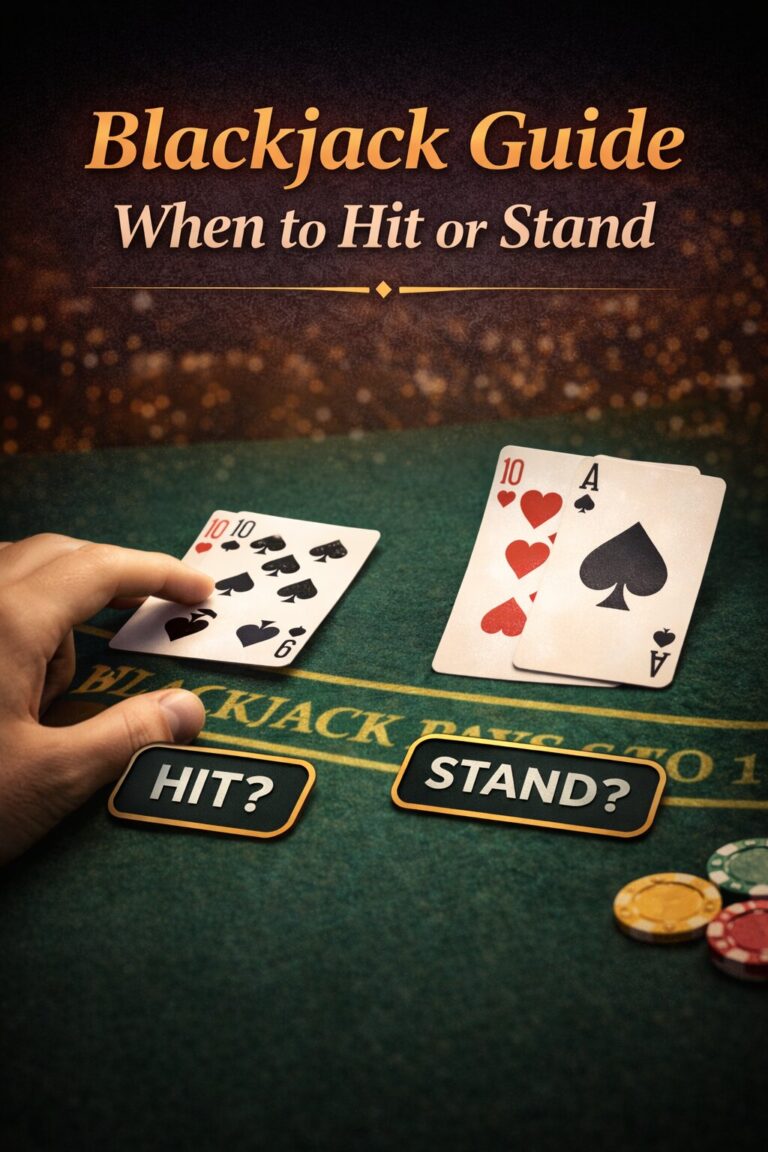
The hit-or-stand decision is the most common decision in blackjack.
Many beginners stand too often because they are afraid of busting. This is understandable, especially with hands such as 15 or 16. But avoiding a bust is not always the same as making the best decision.
If the dealer shows a strong upcard, such as a 10 or ace, standing on a weak total may simply leave you waiting to lose. In some situations, hitting is still the better long-term option, even though it carries immediate risk.
On the other hand, if the dealer shows a weak card such as 5 or 6, standing on certain weaker hands may make sense because the dealer has a greater chance of busting.
This is why when to hit or stand in blackjack is one of the most important practical topics for beginners. It teaches you to think about both your hand and the dealer’s card.
Use Doubling Down Properly
Doubling down is one of the strongest tools available to blackjack players.
It lets you increase your original bet, usually by the same amount, in exchange for receiving exactly one more card. When used correctly, it allows you to put more money into favourable situations.
A common example is doubling on 11. Since many cards have a value of 10, an 11 has a strong chance of becoming 21. Depending on the dealer’s upcard and the table rules, this can be one of the best opportunities in the game.
However, doubling down should not be used casually. Some players double because they feel lucky, want to recover losses, or think a hand is “due” to improve. That is not strategy.
To help even the odds, doubling must be used in the right situations. Used badly, it simply increases the amount lost on poor decisions.
Split Pairs Carefully
Splitting pairs can improve your position, but only when done correctly.
Some pairs are normally split because the original hand is weak or because the two new hands create better opportunities. Splitting 8s is a common example because a total of 16 is difficult to play. Splitting aces is also usually strong because each ace can start a powerful hand.
Other pairs should usually not be split. A pair of 10-value cards gives you 20, which is already one of the strongest hands in blackjack. Splitting 10s usually turns a very good situation into two less certain ones.
This is where many beginners make mistakes. They see splitting as a chance to create more action, rather than as a mathematical decision.
A better approach is to treat splitting as part of common blackjack strategies, not as a way to make the game more exciting.
Avoid Insurance In Most Situations
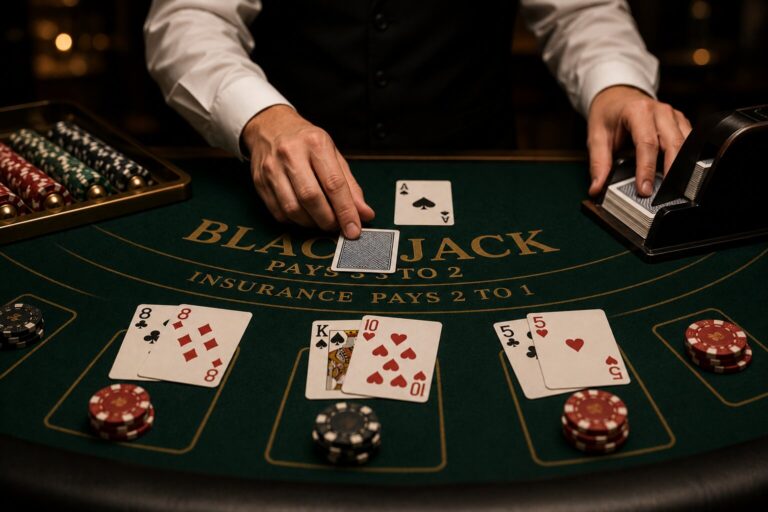
Insurance is offered when the dealer shows an ace.
It sounds protective, but it is really a side bet that the dealer has blackjack. If the dealer’s hidden card is worth 10, the insurance bet wins. If not, it loses.
For most casual players, insurance is usually poor value. Unless a player has reliable information about the remaining cards, insurance generally gives the casino an additional edge.
The name can be misleading. Players may think they are protecting their hand, but they are actually making a separate wager.
Avoiding weak side bets is one of the simplest ways to improve your blackjack approach. You do not need to find a clever trick. Sometimes the best strategy is simply refusing bad-value options.
Choose Better Table Rules
Even perfect basic strategy cannot fully protect you from bad table rules.
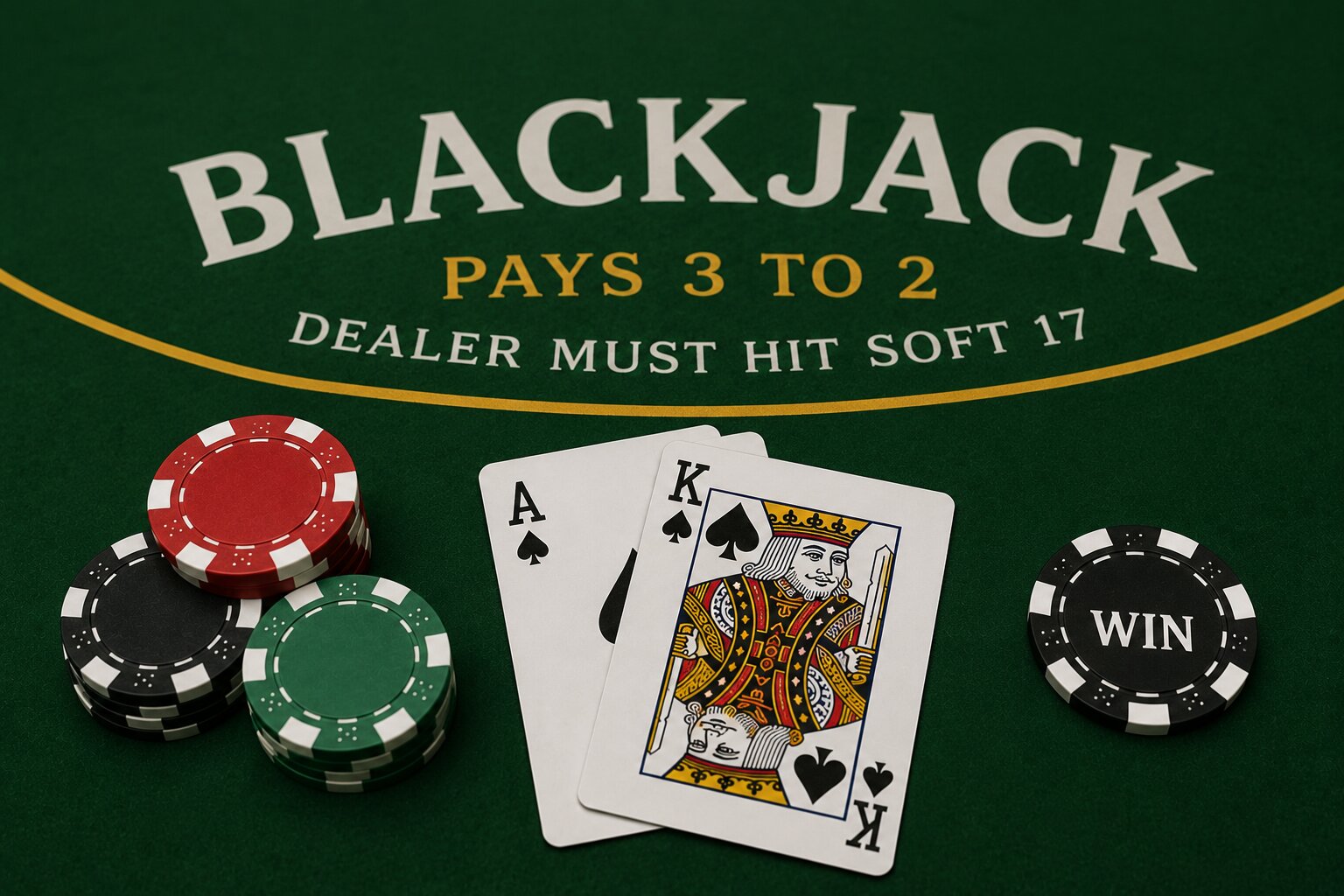
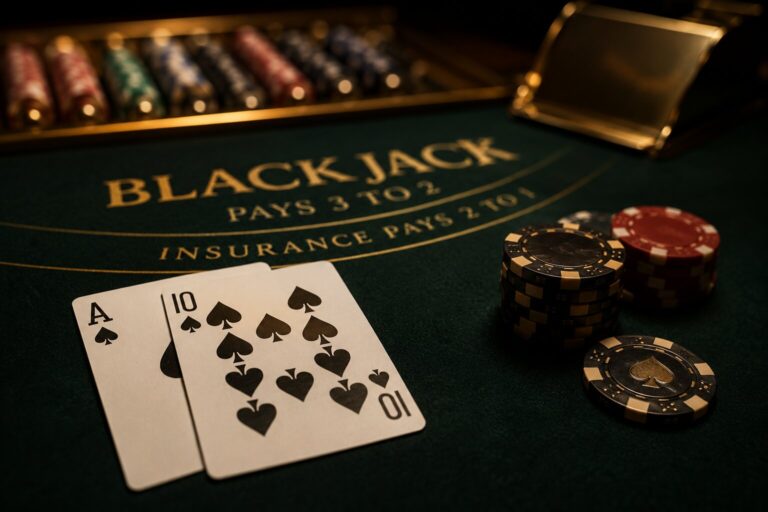
One of the biggest rule differences is the blackjack payout. A game that pays 3:2 for blackjack is generally much better than one that pays 6:5. The difference may seem small on one hand, but over many hands it matters.
Other rule details also affect the odds. These include whether the dealer hits or stands on soft 17, whether doubling after splitting is allowed, whether surrender is available, and how many decks are used.
A player who ignores table rules may end up playing a worse version of the game without realising it.
This is why blackjack odds if you play by the book depend not only on your decisions but also on the game you choose. Playing well at a poor table is still better than playing badly, but good rules make a difference.
Understand The House Edge
The house edge is the casino’s long-term mathematical advantage.
In blackjack, the house edge can be relatively low when the rules are favourable and the player uses basic strategy. In less favourable games, or when the player makes frequent mistakes, it can be much higher.
The house edge is not a prediction for one session. It does not say what will happen today, tomorrow, or over your next 20 hands. It is a long-term average over a very large number of hands.
This is important because players often misunderstand short-term results. A player may win while making poor decisions or lose while playing correctly. Neither result proves much on its own.
Learning about blackjack and the house edge helps players think more realistically. It shows why better decisions matter, but also why blackjack remains gambling.
Do Not Rely On Betting Systems
Many players look for betting systems to even the odds.
The most famous is the Martingale system, where a player doubles their stake after each loss in an attempt to recover previous losses and win a small profit. Other systems increase bets after wins or use fixed progressions.
The problem is simple: betting systems do not change the underlying odds of blackjack.
They may change the pattern of wins and losses, but they do not remove the house edge. They can also become dangerous when a losing streak forces stakes to rise quickly.
Table limits, bankroll limits, and emotional pressure all make progressive betting systems risky.
If the goal is to improve your blackjack odds, better decisions matter more than bet progression. Basic strategy changes how you play the hand. A betting system only changes how much you risk.
Manage Your Bankroll
Bankroll management does not change the house edge, but it changes how responsibly you play.
A bankroll is the amount of money you set aside for gambling. Good bankroll management means deciding that amount before you start, choosing stakes that fit it, and stopping when your limit is reached.
This is especially important in blackjack because variance can be sharp. Even a player using correct strategy can have a losing run. If the stakes are too high, that losing run can end the session quickly.
A sensible approach is to treat blackjack as entertainment with a cost. The bankroll is the price you are prepared to risk, not money that must be recovered.
Chasing losses is one of the fastest ways to undo any benefit gained from good strategy.
Avoid Emotional Decisions
Emotional decisions are one of the biggest reasons players lose more than necessary.
After a bad beat, a player may increase their stake. After several losses, they may abandon strategy. After a lucky win, they may start believing they are reading the table correctly.
Blackjack can encourage this because results happen quickly. A few hands can create the feeling that the game has a pattern.
But short-term streaks do not prove that the next hand is more likely to win or lose. The correct decision is still based on the cards in front of you and the dealer’s upcard.
This is why blackjack mistakes that you should look to avoid often involve mindset as much as rules. Poor emotional control can turn a low-edge game into an expensive one.
Can Card Counting Even The Odds?
Card counting is the most famous method associated with beating blackjack.
In simple terms, card counting tracks whether the remaining deck or shoe is rich in high cards or low cards. When the remaining cards are favourable, a skilled counter may increase bets or adjust decisions.
Under the right conditions, card counting can potentially shift the edge toward the player. However, it is not easy. It requires practice, concentration, discipline, suitable rules, deep enough deck penetration, and careful bankroll management.
Casinos also watch for card counting and may restrict players they suspect of advantage play.
Card counting is also much less practical in many online blackjack formats, especially where the deck is shuffled after each hand.
So yes, card counting is relevant to professional blackjack players and how they win, but it is not a simple solution for casual players.
Can You Win Without Counting Cards?
You can win blackjack sessions without counting cards. Many players do.
But winning a session is not the same as having a long-term advantage.
A player using basic strategy can have a profitable evening because the cards fall well. Another player can use the same strategy and lose because variance goes against them.
Without card counting or another genuine advantage, the player is usually still facing the house edge over time.
That is why can you win at blackjack without counting cards? should be answered carefully. Yes, short-term wins are possible. No, basic strategy alone should not be treated as a guaranteed way to beat the game.
Why Casinos Still Offer Low-Edge Blackjack
Some people wonder why casinos offer blackjack if informed players can reduce the house edge.
The answer is that most players do not play perfectly. Many ignore basic strategy, choose poor tables, take insurance, use risky side bets, overbet, or chase losses.
Casinos also operate over huge volumes of play. A small edge can still be profitable across many hands and many players.
This connects directly to how online casinos make their money. Casinos do not need every player to lose quickly. They rely on long-term margins, game volume, rules, and player behaviour.
Blackjack may be one of the better casino games for informed players, but it still fits into the casino business model.
A Realistic Checklist For Better Blackjack Odds
A realistic blackjack approach does not need to be complicated.
First, learn the rules. Then learn basic strategy. Choose tables with fairer rules where possible. Avoid insurance and unnecessary side bets. Use doubling and splitting properly. Keep stakes consistent and manageable. Do not chase losses.
This will not guarantee profit, but it can prevent many avoidable errors.
The aim is not to make blackjack risk-free. That is impossible in ordinary casino play. The aim is to play the game in a more informed and disciplined way.
For most beginners, that is the best version of evening the odds.
Guest Posts On Blackjack Strategy And Casino Education
Lucky252Casinos welcomes informative guest posts from gaming writers who can explain blackjack, casino strategy, odds, and responsible iGaming topics in a practical way. We are especially interested in clear articles that help readers understand casino games realistically, without promoting risky systems or exaggerated winning claims.
A Smarter Way To Approach The Odds
Evening the odds at blackjack is not about finding a magic formula.
It is about reducing mistakes. Basic strategy, better table selection, sensible bankroll control, and realistic expectations can all improve the way you play. They can also help you avoid decisions that increase the casino’s advantage.
But blackjack remains a gambling game. The cards are uncertain, variance is real, and the house edge usually still exists for ordinary players.
The best approach is therefore balanced. Learn the game, use strategy, respect the odds, and avoid treating blackjack as a reliable income source.
That mindset will not make every hand easier, but it will make your overall approach clearer, calmer, and more responsible.