How To Deal In A Live Game Of Blackjack
Blackjack is usually explained from the player’s point of view. Most guides focus on when to hit, stand, double down, split, or surrender. But the dealer’s role is just as important to how the game works.
In a live game of blackjack, the dealer controls the pace, deals the cards, manages the table, follows the house rules, pays winning hands, collects losing bets, and keeps the game moving clearly and fairly.
For beginners, learning how blackjack is dealt can be useful even if you never plan to work as a casino dealer. It helps you understand why the game follows a strict order, why the dealer does not make personal decisions, and why small procedural details matter.
This guide explains how to deal a live game of blackjack in a clear, practical way. It is written for educational purposes, casual home games, and anyone who wants to understand the dealer’s role better. Professional casino dealing requires formal training, licensing or approval in many jurisdictions, and strict house procedures.
The Dealer’s Role In Blackjack
A blackjack dealer is not playing against the table in a personal sense. The dealer represents the house and follows fixed rules.
That distinction matters. Players choose whether to hit, stand, double, split, or surrender. The dealer does not choose freely. The dealer must act according to the table rules, usually drawing cards until reaching a required total.
This is one of the reasons blackjack has a clear structure. The player side has decision-making. The dealer side has procedure.
If you are still learning the basics, it is worth reviewing blackjack rules and how they work before focusing on dealing. Once you understand the aim of the game, dealing procedure becomes much easier to follow.
What You Need To Deal Blackjack
A casual blackjack game does not need much equipment, but it should be organised.
At minimum, you need one or more decks of standard playing cards, chips or another way to track bets, a clear table area, and agreed rules before the game begins.
A more formal setup may include a blackjack layout, a discard tray, a dealer shoe, a cut card, and marked betting areas. Live casino studios and land-based casinos use more controlled equipment, including cameras, dealing shoes, card scanners, and surveillance systems.
For a home or practice game, the key requirement is clarity. Everyone should know where bets are placed, where cards go, how payouts work, and what rules are being used.
Do not start dealing before the rules are agreed. Blackjack rule variations affect decisions and odds, so they should not be changed mid-game.
Decide The Rules Before The First Hand
Before dealing, set the table rules.
Important rules include how many decks are being used, whether the dealer hits or stands on soft 17, whether doubling is allowed on any two cards, whether players can double after splitting, how many times pairs can be split, whether surrender is available, and how blackjack pays.
The blackjack payout is especially important. A 3:2 payout is generally better for players than a 6:5 payout. In a casual game, you may not be focused on casino-style house edge, but clear payout rules still avoid confusion.
You should also decide whether insurance is offered when the dealer shows an ace.
These rule details connect directly to blackjack and the house edge, because small variations can change the long-term advantage of the game.
Shuffle The Cards Properly
A live blackjack game should begin with a thorough shuffle.
In a casual setting, the dealer can shuffle by hand. With multiple decks, the shuffle should mix the cards well enough that players cannot reasonably predict the order. In casino environments, shuffling is much more controlled and may involve automatic shuffling machines.
After shuffling, many live games use a cut card. A player may be invited to cut the deck, and the dealer then places the cut card into the shoe or deck stack. The cut card also helps indicate when the shoe should be reshuffled.
In professional blackjack, the shuffle procedure is not casual. Dealers are trained to follow exact steps so the game is consistent and secure.
For a simple home game, the aim is fairness, visibility, and consistency.
Place Bets Before Cards Are Dealt
Before any cards are dealt, players must place their bets.
Each player places chips in their betting area. Once the dealer announces that no more bets are allowed, players should not add, remove, or adjust their wagers.
This is an important part of dealer control. Betting must close before the cards are dealt so there is no confusion about what was risked on each hand.
In a casino or live dealer game, this stage is strict. Late bets are not accepted once the betting window closes. In a home game, it is still sensible to follow the same discipline because it keeps the game clean.
The dealer should quickly check that all bets are clear and properly positioned before starting the deal.
The Initial Deal
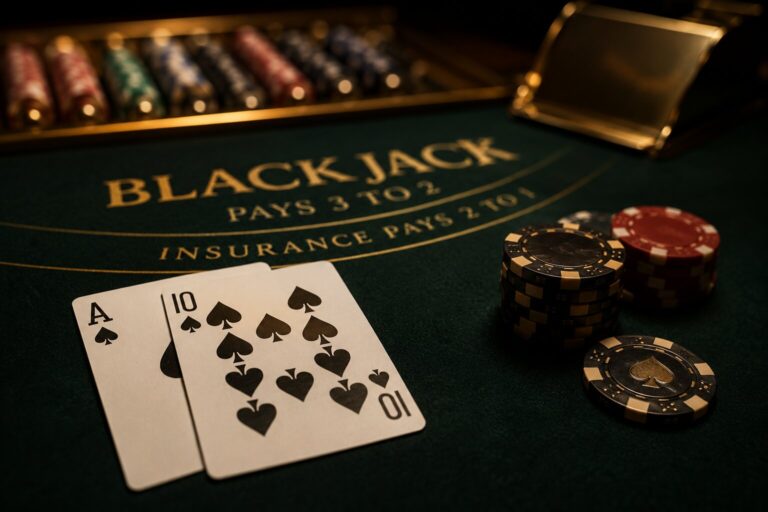
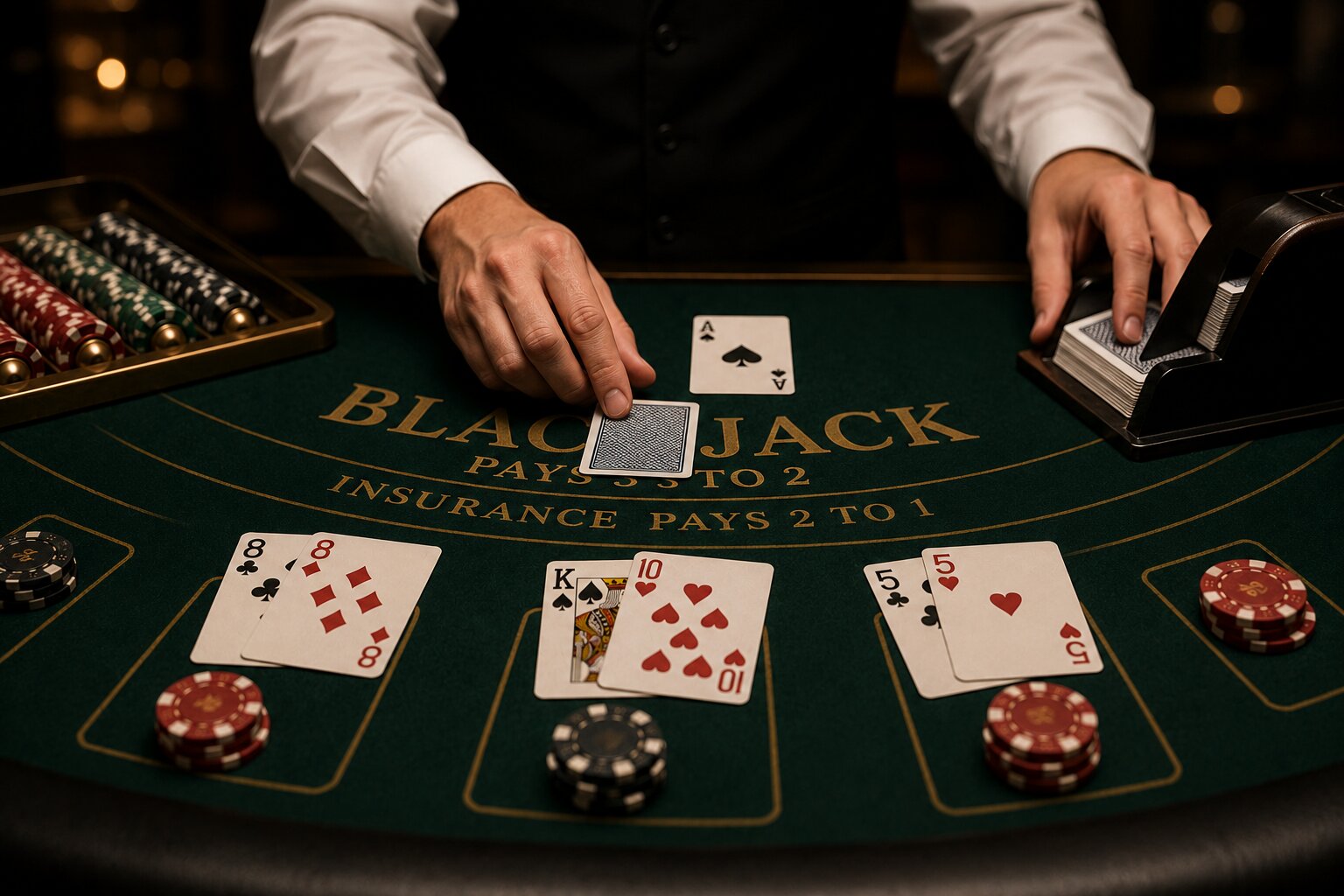
The standard blackjack deal gives each player two cards and gives the dealer two cards.
In many live games, the dealer deals one card to each player from left to right, then one card to the dealer, then a second card to each player, and finally a second card to the dealer.
The exact presentation may vary. In many American-style games, the dealer has one card face up and one card face down. In some European-style games, the dealer initially receives only one card and draws the second card later.
Cards are usually dealt face up to players in shoe games. In some hand-dealt games, player cards may be face down, but most modern casino blackjack uses face-up dealing.
The dealer must keep the order consistent. A clean rhythm helps players follow the hand and reduces mistakes.
Check For Dealer Blackjack
If the dealer’s upcard is an ace or a 10-value card, some games require a check for blackjack.
In many casino games, the dealer checks the hole card using a mirror, scanner, or peek device. If the dealer has blackjack, the round may end immediately unless special rules apply.
If the dealer shows an ace, insurance may be offered before checking for blackjack. Insurance is a side bet that pays if the dealer has blackjack.
For most ordinary players, insurance is generally not considered good value unless they have specific information about the remaining cards. It is still part of many live blackjack procedures, so the dealer must know when and how it is offered.
This is a useful example of why dealer procedure and player strategy are connected. A dealer must offer the option correctly, while players should understand whether it fits common blackjack strategies.
Player Decisions Begin From One Side
After the initial deal and any dealer blackjack check, players act one at a time.
The usual order is from the dealer’s left to the dealer’s right. Each player completes their hand before the next player acts.
This order matters because it keeps the game organised. A dealer should not skip players, respond to decisions out of order, or allow players to act before their turn.
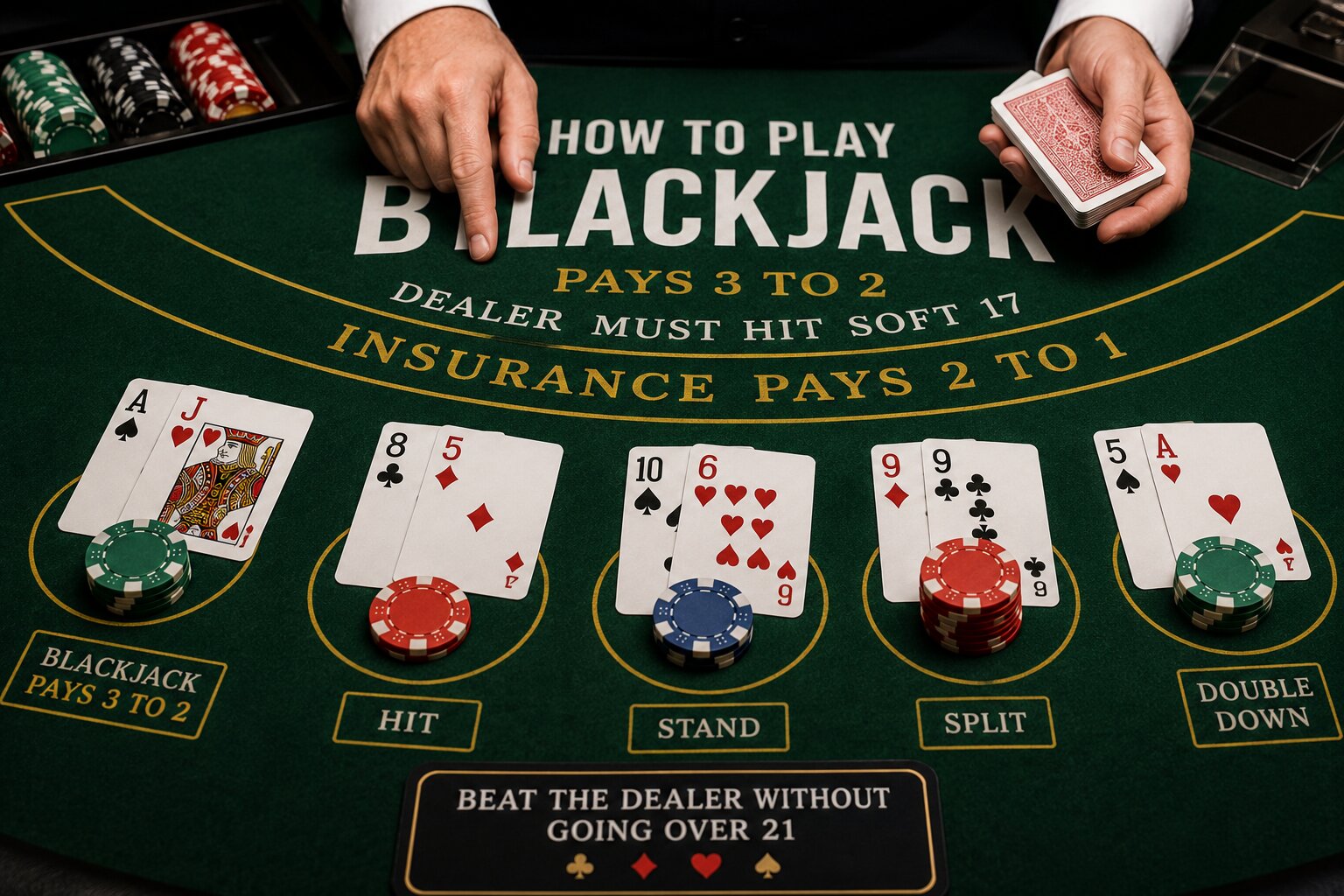
For each player, the dealer waits for a clear decision. The player may hit, stand, double down, split, or surrender if the rules allow it.
In a professional setting, players usually use standard hand signals as well as verbal instructions. This helps surveillance confirm decisions and prevents disputes.
Dealing A Hit
When a player hits, the dealer gives that player one additional card.
The dealer then waits for the player’s next decision unless the hand has busted or reached a total where no further decision is needed under the table rules.
If the player’s total goes over 21, the hand is bust. The dealer collects the losing bet and usually removes the cards or places them in the discard area.
The dealer should announce or clearly indicate the bust without unnecessary drama. The role is procedural, not emotional.
For players, hitting can be one of the hardest decisions to judge. That is why guides on when to hit or stand in blackjack are useful for beginners who want to understand what is happening from the player side.
Dealing A Stand
When a player stands, the dealer moves to the next active hand.
No more cards are dealt to that player. The hand stays in place until the dealer completes their own hand and settles all results.
Standing is simple for the dealer, but it must still be clear. In a casino, the player may wave a hand over the cards to indicate stand. In a casual game, a verbal “stand” may be enough, but consistency is best.
The dealer should not pressure, advise, or question the player’s decision. The dealer’s job is to manage the game, not to coach the player.
Dealing A Double Down
When a player doubles down, they increase their original bet, usually by placing an equal additional wager beside the first bet.
The dealer then gives the player exactly one additional card. After that card, the hand is complete.
The dealer should make sure the extra bet is placed correctly before dealing the double-down card. In many games, the card may be placed sideways to show that the hand has been doubled and cannot receive more cards.
Doubling down is one of the most important strategic options in blackjack. Players often use it when their starting hand is strong against the dealer’s upcard.
The dealer does not decide whether doubling is wise. They simply check whether it is allowed under the table rules and then deal the hand correctly.
Dealing A Split
When a player is dealt two cards of the same value, they may be allowed to split them.
To split, the player places an additional bet equal to the original wager. The dealer separates the two cards into two hands and deals an additional card to each hand.
Each hand is then played separately.
Splitting can become more complex if re-splitting is allowed. For example, a player may split 8s, receive another 8, and be allowed to split again depending on the rules.
Aces often have special restrictions. Many blackjack games allow only one additional card on each split ace, and some do not allow re-splitting aces.
The dealer must know these rules before the game starts. Split hands are one of the easiest places for confusion to occur if procedures are not clear.
Dealing Surrender
If surrender is available, the player may give up the hand and lose half the original bet.
The dealer collects half the bet and returns the other half to the player. The player’s cards are then removed from active play.
Surrender is usually only available as the first decision on a hand. It may not be available after hitting, splitting, or doubling.
Because surrender is less common in some blackjack games, dealers should be especially clear about whether it is offered. If the table does not allow surrender, players should know that before the round begins.
The Dealer’s Turn
Once all players have completed their hands, the dealer plays their hand.
The dealer reveals the face-down card if there is one, then follows the house rule. Usually, the dealer must draw until reaching at least 17.
The key rule variation is soft 17. A soft 17 contains an ace counted as 11, such as ace and 6. Some games require the dealer to stand on soft 17. Others require the dealer to hit soft 17.
The dealer does not choose based on instinct, table mood, or player hands. The rule decides the action.
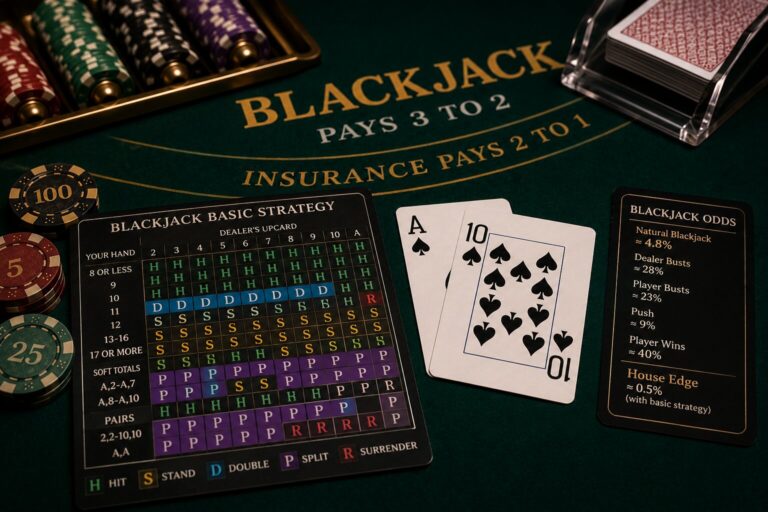
This fixed dealer behaviour is central to blackjack. It is one reason players can use charts and structured advice such as blackjack basic strategy for beginners.
Settling The Hands
After the dealer completes their hand, the dealer settles each active player hand.
If the dealer busts, all remaining live player hands win.
If the dealer does not bust, each player hand is compared with the dealer’s total. A higher player total wins. A lower player total loses. An equal total is a push, meaning the original bet is returned.
Blackjack payouts should be handled according to the table rules. If a player has a natural blackjack and the dealer does not, the player is paid the agreed blackjack payout, commonly 3:2 in better traditional games.
The dealer should settle hands in order and avoid rushing. Clear settlement prevents disputes and makes the game easier for beginners to follow.
Paying And Collecting Bets
A dealer must handle chips carefully.
Losing bets are collected and placed into the tray or bank area. Winning bets are paid by placing the correct payout next to the original wager. Pushes are left alone or returned clearly to the player.
In a casual game, exact chip handling may feel less important, but it still matters. Blackjack moves quickly, and unclear payments can cause arguments.
The dealer should also avoid mixing active bets with paid winnings before the result is clear. Each hand should be settled cleanly before moving to the next.
In professional casinos, chip handling is a major part of dealer training. Payments must be accurate, visible, and consistent.
Starting The Next Round
Once all bets are settled, the dealer collects used cards and places them in the discard area.
Players can then place bets for the next round.
If the cut card appears or the shoe is finished according to the game rules, the dealer reshuffles before continuing.
The transition between rounds should be calm and predictable. Good blackjack dealing is not only about knowing the rules. It is also about creating a steady rhythm.
That rhythm is part of why live blackjack remains popular. It feels more personal and structured than many automated casino games.
Dealing In A Live Online Blackjack Game
Live online blackjack is different from a home game, but the core procedure is similar.
A real dealer works in a studio or casino-style environment. Cards are dealt physically and streamed to players online. Players make decisions using digital buttons within a limited time window.
The dealer still follows fixed procedures, but the technology adds extra layers. Cameras, game control systems, card recognition tools, and on-screen interfaces help manage the game.
Players may not be able to speak directly to the dealer in the same way they would at a physical table, although some games include chat functions.
From the player’s perspective, live online blackjack combines real dealing with remote access. From the dealer’s perspective, it requires accuracy, presentation skills, timing, and comfort working with cameras.
Common Dealing Mistakes To Avoid
In casual blackjack games, dealing mistakes are common.
One mistake is dealing cards in the wrong order. Another is allowing players to change bets after cards have been dealt. Dealers may also forget whether a player has doubled, misunderstand split rules, or pay blackjack incorrectly.
Another common mistake is giving advice while dealing. This can create tension, especially if the advice is wrong or if another player disagrees.
A good dealer stays neutral. They can explain the available options if the game is casual and educational, but they should not push a player toward a decision.
Players also make mistakes, of course. For that side of the game, blackjack mistakes that you should look to avoid is a useful companion topic.
Table Etiquette For A Blackjack Dealer
A blackjack dealer should be clear, calm, and consistent.
They should announce important stages, such as the close of betting, dealer totals, busts, blackjacks, and payouts. They should keep cards visible and avoid unnecessary handling.
In a casual setting, the dealer should make sure new players understand the basic flow before money or chips are involved.
In a professional environment, the dealer must follow house policy rather than personal preference. This includes how cards are touched, how payouts are made, how disputes are handled, and how irregularities are reported.
Good etiquette helps the table feel fair. Even when players lose, they should be able to see that the game was dealt properly.
Why Understanding The Dealer Helps Players
Learning how to deal blackjack can make you a better-informed player.
It helps you understand why the dealer acts last, why the dealer has no freedom to improvise, and why the player’s decisions must be made before the dealer completes the hand.
It also makes the house edge easier to understand. The dealer’s fixed rules may seem restrictive, but the structure of the game still gives the casino an advantage over time.
That does not mean every hand favours the dealer. Players can and do win individual rounds. But the long-term design of the game is what matters.
Understanding both sides of the table gives you a more realistic view of blackjack.
Guest Posts On Blackjack And Live Casino Play
Lucky252Casinos welcomes clear, practical guest posts on casinos from writers with knowledge of blackjack, live casino games, dealer procedures, or responsible iGaming education. We are interested in articles that explain how casino games work in a useful, beginner-friendly way without overstating the chances of winning.
A Clear Way To Think About Dealing Blackjack
Dealing blackjack is about structure.
The dealer shuffles, accepts bets, deals cards in order, manages player decisions, follows fixed house rules, settles hands accurately, and prepares the next round.
The process may look simple from outside the table, but good dealing requires attention, consistency, and a clear understanding of the rules. In professional casinos and live dealer studios, it also requires formal procedures and training.
For players, understanding how blackjack is dealt can make the game easier to follow. It explains why decisions happen in a set order and why dealer behaviour is predictable rather than personal.
Blackjack is still a gambling game, and dealing it properly does not remove risk. But a well-dealt game is clearer, fairer, and easier for everyone at the table to understand.