
Is It Possible To Beat The Roulette Wheel?
Roulette has long been one of the most recognisable casino games in the world. The spinning wheel, the bouncing ball, and the wide range of betting options all contribute to its appeal.
At the same time, roulette has also developed a reputation for being a game that players try to “figure out.”
This leads to one of the most common questions asked by beginners and experienced players alike:
Is it actually possible to beat the roulette wheel?
The short answer is no—not in the way many people hope. However, the full explanation is more nuanced, and understanding it properly helps clarify how roulette works, what strategies can and cannot do, and how to approach the game realistically.
What Does “Beating Roulette” Really Mean?
Before answering the question, it is important to define what “beating the wheel” actually means.
In most cases, players mean one of the following:
- consistently making a profit over time
- finding a strategy that overcomes the house edge
- predicting where the ball will land
- gaining an advantage over the casino
These ideas are often discussed in forums, guides, and so-called “systems.”
However, roulette is designed in a way that makes these goals extremely difficult—if not impossible—under normal conditions.
How Roulette Is Structured
To understand why roulette cannot be beaten in a traditional sense, you need to look at how the game is built.
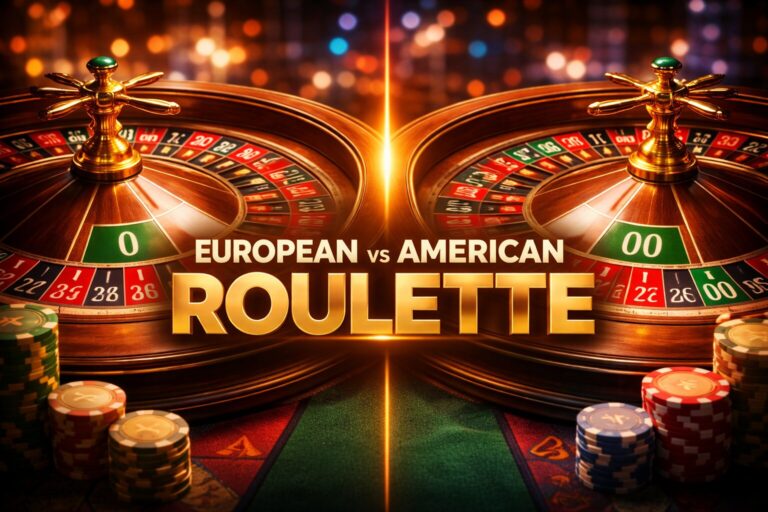
Roulette wheels come in two main formats:
- European roulette (single zero)
- American roulette (single zero + double zero)
These zero pockets are not just design features—they are what create the casino’s advantage.
For example:
- even-money bets like red/black are not true 50/50 bets
- the presence of zero introduces an extra losing outcome
This is known as the house edge, and it applies to every standard bet on the table.
The Role of the House Edge
The house edge is the mathematical advantage that ensures the casino makes money over time.
In roulette:
- European roulette has a lower house edge
- American roulette has a higher one due to the extra zero
This edge is small on any single spin, but it becomes significant over many spins.
This is the key point:
👉 Roulette is not designed to be beaten over the long term
👉 It is designed to produce consistent results for the casino over time
No betting pattern or system changes this underlying structure.
Why Strategies Don’t Beat the Wheel
Many players believe that using a system or strategy can overcome the house edge.
You may have come across approaches like:
- Martingale
- Fibonacci
- D’Alembert
- various “roulette number strategies”
These systems usually focus on how you bet, not what the outcome is.
That distinction matters.
No matter how you structure your bets, the outcome of each spin is still random.
Even detailed approaches to number selection—often referred to as roulette number strategies—do not change the fundamental probabilities of the game.
They may change how your balance fluctuates, but they do not create a long-term advantage.
Can You Predict Roulette Outcomes?
Another common idea is that roulette results can be predicted.
This might involve:
- tracking previous numbers
- looking for patterns
- identifying “hot” or “cold” numbers
However, roulette spins are independent events.
That means:
- previous results do not affect future spins
- patterns are usually coincidental
- the wheel has no memory
This is one of the most important concepts for beginners.
Even if a number has not appeared for a long time, it is not “due” to appear.
The Myth of “Hot” and “Cold” Numbers
You will often see displays showing recent results on roulette tables.
These may highlight:
- numbers that have appeared frequently (“hot”)
- numbers that have not appeared recently (“cold”)
While this information can look meaningful, it does not provide predictive value.
It reflects past outcomes—not future ones.
Some players enjoy using this data as part of their betting style, but it does not increase the probability of winning.
What About Bias or Imperfections?
In theory, a roulette wheel could be biased.
For example:
- slight physical imperfections
- uneven wear
- mechanical inconsistencies
In land-based casinos, this was historically something advantage players tried to exploit.
However, in modern settings:
- wheels are regularly maintained
- casinos monitor performance closely
- online roulette uses high-quality equipment or RNG systems
This makes exploiting bias extremely unlikely in practice.
Online Roulette vs Physical Roulette
Online roulette adds another layer to the discussion.
There are two main formats:
- RNG-based roulette
- live dealer roulette
In RNG roulette, outcomes are generated by software designed to be random.
In live roulette, outcomes come from a real wheel, but the environment is still controlled and monitored.
In both cases:
- results are unpredictable
- fairness is regulated
- the house edge still applies
There is no hidden system that allows players to gain an advantage.
What Strategies Can Actually Do
Although strategies cannot beat the wheel, they can influence how you experience the game.
For example, different approaches can:
- change how quickly you win or lose
- affect your risk level
- shape your session length
Some players prefer simple approaches, such as:
- flat betting (same stake each spin)
- combining inside and outside bets
- focusing on broader coverage
Others experiment with more structured systems.
If you’re interested in the practical side of play, guides like tips for playing roulette often focus on managing your approach rather than trying to beat the game itself.
The Difference Between Winning and Beating the Game
It is important to separate two ideas:
- winning in the short term
- beating the game in the long term
Winning is always possible.
You can:
- hit a straight-up number
- win multiple spins in a row
- leave the table with a profit
This is part of what makes roulette exciting.
However, this is not the same as beating the game.
Over time, the house edge works against the player.
Why the Idea Persists
Despite the maths, the idea of beating roulette continues to attract attention.
There are a few reasons for this:
- the game looks simple
- patterns seem visible
- short-term wins can feel like proof
- strategies are easy to describe
This combination makes roulette particularly appealing for system-based thinking.
However, understanding the reality behind the game helps avoid unrealistic expectations.
A More Practical Way to Approach Roulette
If the goal is not to beat the wheel, how should players approach roulette?
A more practical mindset includes:
- understanding how betting works
- recognising the role of chance
- setting clear limits
- focusing on the experience rather than outcomes
For beginners, starting with a clear explanation of how roulette betting works can be more valuable than searching for a winning system.
The more you understand the structure of the game, the easier it becomes to approach it in a controlled way.
Responsible Expectations
Roulette is designed as entertainment.
It offers:
- simple gameplay
- fast results
- a wide range of betting options
But it also includes:
- a built-in house edge
- unpredictable outcomes
- no guaranteed winning strategy
Understanding this balance is essential.
A Realistic Answer to the Question
So, is it possible to beat the roulette wheel?
In a consistent, long-term sense, no.
The structure of the game—especially the house edge—ensures that the casino maintains an advantage over time.
Strategies, systems, and number tracking methods do not change this.
However, that does not mean roulette cannot be enjoyed.
With a clear understanding of how the game works and realistic expectations, it can be approached in a way that is controlled, informed, and engaging.
The key is not trying to beat the wheel—but understanding it.
If you have your own insights into roulette strategy, game mechanics, or player behaviour, we’re always open to contributions. Lucky252Casinos welcomes well-structured, informative guest content on roulette and the wider online casino space. If you’re interested in writing for us, feel free to get in touch with your ideas.